𝕎𝕙𝕒𝕥 𝕚𝕤 𝕒𝕥 𝕤𝕥𝕒𝕜𝕖 𝕥𝕙𝕚𝕤 𝕖𝕝𝕖𝕔𝕥𝕚𝕠𝕟 – 𝕙𝕠𝕦𝕤𝕚𝕟𝕘
𝕎𝕙𝕒𝕥 𝕚𝕤 𝕒𝕥 𝕤𝕥𝕒𝕜𝕖 𝕥𝕙𝕚𝕤 𝕖𝕝𝕖𝕔𝕥𝕚𝕠𝕟 – 𝕙𝕠𝕦𝕤𝕚𝕟𝕘

𝕋𝕙𝕖𝕣𝕖 𝕚𝕤 𝕒 𝕝𝕠𝕥 𝕒𝕥 𝕤𝕥𝕒𝕜𝕖 𝕒𝕥 𝕥𝕙𝕚𝕤 𝕖𝕝𝕖𝕔𝕥𝕚𝕠𝕟. 𝔸 𝕔𝕙𝕒𝕟𝕘𝕖 𝕚𝕟 𝔾𝕠𝕧𝕖𝕣𝕟𝕞𝕖𝕟𝕥 𝕔𝕠𝕦𝕝𝕕 𝕤𝕖𝕖 𝕒 𝕣𝕒𝕕𝕚𝕔𝕒𝕝 𝕔𝕙𝕒𝕟𝕘𝕖 𝕚𝕟 𝕕𝕚𝕣𝕖𝕔𝕥𝕚𝕠𝕟 𝕗𝕠𝕣 𝕥𝕙𝕖 𝕔𝕠𝕦𝕟𝕥𝕣𝕪 𝕗𝕠𝕣 𝕥𝕙𝕖 𝕨𝕠𝕣𝕤𝕖.
For housing it pays to recall what Labour inherited in 2017 which was basically a full blown housing crisis. National always denied there was one, but the briefing for incoming minister Twyford suggested otherwise.
From Henry Cooke at Stuff
Official figures prepared for the new housing minister estimate a shortfall of 45,000 houses in Auckland, with supply of new homes well behind increased demand.
They also show serious shortfalls in Hamilton and Wellington leading to a nationwide shortage of 71,000, with new minister Phil Twyford saying his government have “inherited a disaster.”
The estimates, never publicly released, were included in a briefing for Twyford from his new ministry partially released to Stuff. It compares population increase with new houses actually built – not just consented.
In Auckland as of 1 June 2017 the Ministry of Business Innovation and Employment (MBIE) put the shortfall at 44,738 homes, following a huge growth in demand through 2013 to 2015 which a more gradual increase in completed new homes did not keep pace with.
.

.
Since then a lot has happened.
There has been a surge in new dwellings constructed to levels not seen before.
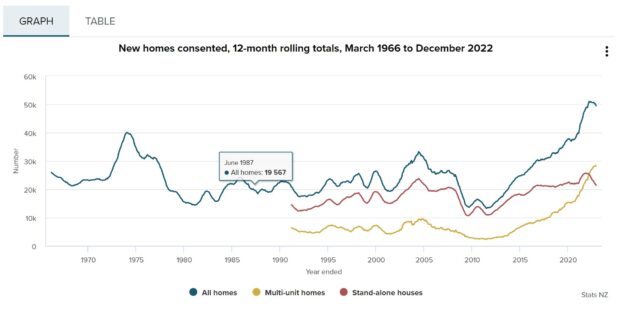
Over 12,000 new Kainga Ora units have been completed by the Government. This compares to a net reduction of 1,500 under the last National Government compounded by the fact that numbers of state houses were declining at a time when the population was growing quickly.
What is at stake this election - housing https://t.co/uEtaqjzfDn via @thestandard
— Elephant in the room (@GetBoostedNZ) August 16, 2023
And house prices have stabilised and reduced from Covid money printing highs.
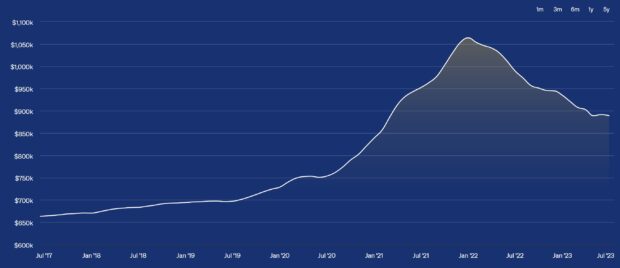
There are a number of reasons for this. Greater housing numbers is important, and the ten year bright line test, effectively a capital gains tax for some land transactions, has played its part. As has removing interest deductibility for rentals, changed to zoning rules allowing greater intensification and Government grants to Councils for infrastructure.

And preventing foreign nationals from buying houses.
The cumulative effect of this made Kiwibank predict that this year the housing crisis may be over. Time will tell.
For some there is still a housing crisis. The remedy is to keep building both public and private housing.
What happens if there is a change of Government?
It is clear that a National Act Government would:
- Reverse the bright line test changes to make it much less effective.
- Restore interest deductibility. Landlords would flood back into the market and prices will then increase.
- Kneecap Kainga Ora so that its impressive development plans are stymied, like they did last time.
- Open up immigration. Last term Immigration was its most important economic growth policy and this will no doubt be repeated.
And it appears National will also reverse the ban on foreign nationals from buying houses.
Ok, the cats out of the bag & yes, we're going to allow foreigners to outbid New Zealanders AGAIN & buy up all the houses built under this useless Labour government. But you don't have to worry about that. pic.twitter.com/avfkIvdy1F
— Christopher Luxon ChatGPT (@rugbyintel) August 15, 2023
.

.
This all makes sense when you recall that Luxon himself owns eight properties. And National MPs are also multi property owners including Police spokesperson Mark Mitchell who forgot that he owned a property in Coromandel and had to issue an amendment to his Register of Pecuniary Interests.
It makes even more sense when you recall that Bayleys Corporation and Garth Barfoot of Barfoot and Thompson are regular donors.
Some on the left have criticised Labour for not solving the housing crisis quickly enough. Given the depth of the problem and the complexity of the solutions I am not sure this criticism is warranted.
Perhaps they could have resolved this more quickly. With the benefit of hindsight they used too much fiscal stimulation during Covid. But if you think that changing the Government will improve things I have a bridge I want to sell you.


Comments
Post a Comment