𝕄𝕖𝕣𝕘𝕖𝕕 𝕋𝕍ℕℤ/ℝℕℤ 𝕒 𝕞𝕒𝕣𝕣𝕚𝕒𝕘𝕖 𝕞𝕒𝕕𝕖 𝕚𝕟 𝕙𝕖𝕒𝕧𝕖𝕟
𝕄𝕖𝕣𝕘𝕖𝕕 𝕋𝕍ℕℤ/ℝℕℤ 𝕒 𝕞𝕒𝕣𝕣𝕚𝕒𝕘𝕖 𝕞𝕒𝕕𝕖 𝕚𝕟 𝕙𝕖𝕒𝕧𝕖𝕟
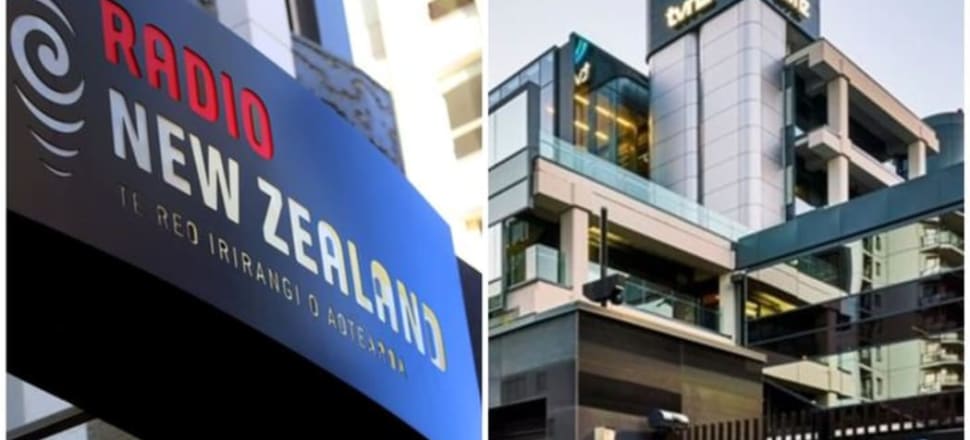
𝕋𝕙𝕖 𝔾𝕠𝕧𝕖𝕣𝕟𝕞𝕖𝕟𝕥’𝕤 𝕡𝕣𝕠𝕡𝕠𝕤𝕒𝕝 𝕥𝕠 𝕞𝕖𝕣𝕘𝕖 𝕠𝕦𝕣 𝕥𝕨𝕠 𝕡𝕦𝕓𝕝𝕚𝕔𝕝𝕪-𝕠𝕨𝕟𝕖𝕕 𝕞𝕖𝕕𝕚𝕒 𝕖𝕟𝕥𝕚𝕥𝕚𝕖𝕤, 𝕋𝕖𝕝𝕖𝕧𝕚𝕤𝕚𝕠𝕟 ℕ𝕖𝕨 ℤ𝕖𝕒𝕝𝕒𝕟𝕕 𝕒𝕟𝕕 ℝ𝕒𝕕𝕚𝕠 ℕ𝕖𝕨 ℤ𝕖𝕒𝕝𝕒𝕟𝕕, 𝕙𝕒𝕤 𝕡𝕣𝕠𝕞𝕡𝕥𝕖𝕕 𝕔𝕠𝕟𝕤𝕚𝕕𝕖𝕣𝕒𝕓𝕝𝕖 𝕕𝕖𝕓𝕒𝕥𝕖. 𝕋𝕙𝕖 𝕣𝕖𝕒𝕤𝕠𝕟𝕚𝕟𝕘 𝕓𝕖𝕙𝕚𝕟𝕕 𝕥𝕙𝕖 𝕡𝕣𝕠𝕡𝕠𝕤𝕒𝕝 𝕚𝕤 𝕟𝕠𝕥 𝕨𝕖𝕝𝕝 𝕦𝕟𝕕𝕖𝕣𝕤𝕥𝕠𝕠𝕕, 𝕒𝕟𝕕 𝕠𝕡𝕚𝕟𝕚𝕠𝕟 𝕡𝕠𝕝𝕝𝕚𝕟𝕘 𝕤𝕦𝕘𝕘𝕖𝕤𝕥𝕤 𝕥𝕙𝕖 𝕡𝕦𝕓𝕝𝕚𝕔 𝕚𝕤 𝕤𝕔𝕖𝕡𝕥𝕚𝕔𝕒𝕝 𝕠𝕗 𝕥𝕙𝕖 𝕡𝕝𝕒𝕟. 𝕊𝕠, 𝕚𝕤 𝕥𝕙𝕚𝕤 𝕒 𝕗𝕝𝕒𝕨𝕖𝕕 𝕚𝕟𝕚𝕥𝕚𝕒𝕥𝕚𝕧𝕖?
There is an air of unreality about the debate. While some may decry the proposal as an ideological project or a “marriage made in hell”, there are some very real issues in the media that we need to address, and the current proposal could be seen as a first step in the right direction.
Firstly, the business model for news is collapsing. As Google, Facebook and Amazon have increasingly come to control a predominance of digital advertising revenue over the past 15 years, a third of newspapers have closed in the United States and nearly two-thirds of newspaper jobs have been lost. In New Zealand the share of all advertising going to newspapers has declined from 40.7 percent to 10.4 percent in the past 20 years.
.

.
Secondly, the internet is broken. What started as a public commons is now carved up among social media platforms that house, monetise, appropriate, and shape a significant portion of public debate. These are controlled and managed by overseas interests with their own commercial objectives.
Merged TVNZ/RNZ a marriage made in heaven, not hell https://t.co/zu0LwaT6Ov
— Peter Byard Davis (@PeterByardDavis) December 18, 2022
Therefore, while the focus naturally has been on the merger itself – could it work, is it too expensive, is there a danger of political interference – a wider question is what this proposal implies about the broader media eco-system in New Zealand. A number of things are clear from the background Cabinet papers:
* our media eco-system is small, fragile, even precarious, particularly with the rapid decline in traditional sources of advertising revenue;
* with intensifying competition there is a real danger of “market failure”, in the sense that the standard commercial model no longer provides the space for the kind of quality journalism that can show balance and depth in informing the public in our pluralistic democracy;
* with the entry of global social media companies and streaming giants, New Zealand struggles to sustain quality local media; and
* there is blurring between the commercial models of social and mainstream media such that algorithms calibrate media offerings to distinct consumer audiences, with a potential for segmentation and polarisation as we have documented at The Helen Clark Foundation.
.
𝑀𝐸𝑅𝑅𝒴 𝒞𝐻𝑅𝐼𝒮𝒯𝑀𝒜𝒮 𝒻𝓇𝑜𝓂 𝒥𝑜𝒽𝓃𝓃𝓎
Ronan Keating - Summer Wonderland
.
It is also as well to remember that: TV3 has been through two receiverships since 1989 and has since been passed on via MediaWorks to Discovery; Sky TV is a Pay-TV monopoly and was once owned by Rupert Murdoch; there was a proposal to merge our two major print-based media companies (NZME and Stuff); Stuff was sold by its Australian owner for $1; and the government had to pump $55 million dollars into the media sector during the pandemic to ensure survival. And advertising revenues, the life-blood of the commercial media, are increasingly dominated by the large social media companies which pay very little – if any - tax.
It is in this turbulent environment that we need to value the potential anchor role that a respected public broadcaster can play in our fragile media eco-system. It could provide a free-to-air-and-online “commons” that is inclusive and that can nurture searching and even-handed journalism alongside opinion, controversy, and cultural exploration. And there is also the role of public media as a strategic asset in anchoring our media eco-system at a time when almost any commercial element could be bought by offshore interests. Furthermore, we need to protect New Zealand’s “cultural sovereignty” against an onslaught of overseas streaming giants whose sheer technical and cultural virtuosity threatens to overwhelm our puny resources and, as the recent documentary on Whakaari by Netflix shows, are sometimes even telling our own stories faster than we can, although not necessarily with the required accuracy.
.

.
Some argue this venture will be too expensive, and yet, per capita, public funding of the proposed new entity will still be less than the ABC and almost every other developed nation we choose to compare ourselves with. And to argue about the expense of this may be missing the point. Digital advertising has almost quadrupled to close to $1.5 billion per year taking much needed revenue from private media companies. It could be argued that the entire media eco-system is in a financially precarious state, not just the proposed new public entity. That’s the underlying issue we need to tackle.
We might find that a TV-enhanced and suitably modified multi-platform mix of what RNZ has developed works well across the entire merged organisation and could help New Zealand to establish an inclusive commons where we can tell our own stories, conduct a national conversation, and hold a mirror up to our increasingly diverse and vibrant society, leaving plenty of room for the important domestic private media sector as well as for the overseas streaming, broadcast and social media giants that otherwise threaten to overwhelm us.


Comments
Post a Comment