𝔾𝕣𝕖𝕖𝕕𝕗𝕝𝕒𝕥𝕚𝕠𝕟: 𝕀𝕤 𝕚𝕥 𝕚𝕟𝕗𝕝𝕒𝕥𝕚𝕠𝕟, 𝕠𝕣 𝕒𝕣𝕖 𝕓𝕦𝕤𝕚𝕟𝕖𝕤𝕤𝕖𝕤 𝕛𝕦𝕤𝕥 𝕘𝕣𝕖𝕖𝕕𝕪?
𝔾𝕣𝕖𝕖𝕕𝕗𝕝𝕒𝕥𝕚𝕠𝕟: 𝕀𝕤 𝕚𝕥 𝕚𝕟𝕗𝕝𝕒𝕥𝕚𝕠𝕟, 𝕠𝕣 𝕒𝕣𝕖 𝕓𝕦𝕤𝕚𝕟𝕖𝕤𝕤𝕖𝕤 𝕛𝕦𝕤𝕥 𝕘𝕣𝕖𝕖𝕕𝕪?
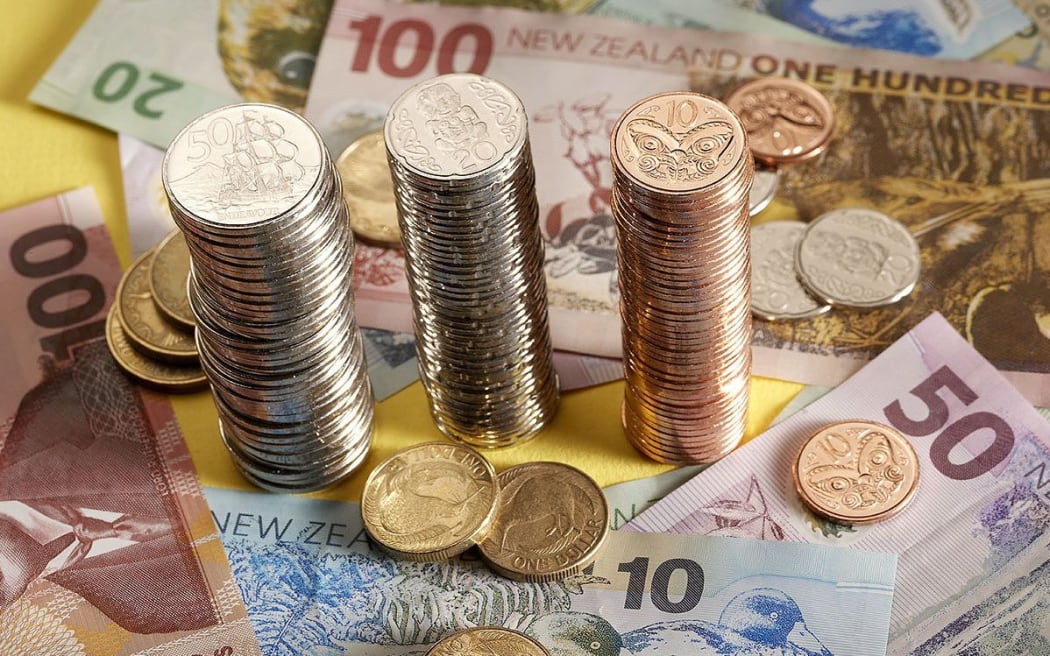
𝔸𝕤 𝕙𝕠𝕦𝕤𝕖𝕙𝕠𝕝𝕕𝕤 𝕗𝕖𝕖𝕝 𝕥𝕙𝕖 𝕡𝕚𝕟𝕔𝕙 𝕗𝕣𝕠𝕞 𝕥𝕙𝕖 𝕣𝕚𝕤𝕚𝕟𝕘 𝕔𝕠𝕤𝕥 𝕠𝕗 𝕝𝕚𝕧𝕚𝕟𝕘, 𝕤𝕠𝕞𝕖 𝕓𝕚𝕘 𝕔𝕠𝕞𝕡𝕒𝕟𝕚𝕖𝕤 𝕒𝕣𝕖 𝕣𝕒𝕜𝕚𝕟𝕘 𝕚𝕟 𝕣𝕖𝕔𝕠𝕣𝕕 𝕡𝕣𝕠𝕗𝕚𝕥𝕤. ℂ𝕒𝕟 𝕨𝕖 𝕡𝕚𝕟 𝕚𝕥 𝕠𝕟 𝕘𝕣𝕖𝕖𝕕𝕗𝕝𝕒𝕥𝕚𝕠𝕟?
When journalist Gareth Vaughan went to his usual cafe for his afternoon coffee hit, he was hit with something else.
"They put the price up from $5 to $5.50. They provided no explanation for doing it," says Vaughan, Interest.co.nz's managing editor.
Could rising costs be blamed for the 10 percent hike?
"I don't know, maybe only one or two people at that small retailing business know."
.

.
Vaughan promptly dumped that cafe and went two doors down for his $5 coffee. Then it, too, put up its prices.
"Inflation begets inflation. When people are expecting price rises they're also more accepting of them," he says.
But when does inflation become 'greedflation'?
Week in Review:
— Newsroom (@NewsroomNZ) May 26, 2023
Greedflation: It's the latest buzzword in economics – is it behind soaring company profits? https://t.co/LZIwpU6vSx
It's the economics buzzword that's caught on in other parts of the world, as people search for explanations for ongoing soaring price rises – other than supply chain disruptions caused by the pandemic and the war in Ukraine.

"Greedflation is the idea that corporate profit expansion is contributing to high inflation. This has moved from a fringe view to the mainstream in Europe and the US in the last year, and there's a debate going on about it in Australia," Vaughan tells The Detail.
When the governor of the Reserve Bank of Australia, Philip Lowe, last month told the National Press Club that "rising profits are not the source of inflation pressures we have", he was accused by The Australia Institute think tank of a dereliction of duty. A report from the institute earlier this year said that 69 percent of excess inflation – inflation above the Reserve Bank's 2.5 percent target – came from high corporate profit margins.
In a recent television interview in Australia, Massachusetts University Professor Isabella Weber, who has been at the forefront of raising the profile of profit-driven inflation, said the idea of using interest rates to tackle inflation was a roundabout approach, a bit like flooding the house to tackle a fire in the kitchen.
She argues that more targeted measures, such as further price caps in areas such as gas and oil, and taxing big businesses making excessive profits, will bring down inflation faster.
The debate has had little mention in Aotearoa, but Vaughan says he expects it to be raised at today's Reserve Bank official cash rate announcement.
"It would be good to get a few more comments out of them because they have a mandate to watch inflation and fight inflation and if this is a contributing factor and they are not looking at it, then they really ought to be," he says.
But not everyone buys the greedflation argument. Professor of Economics at University of Waikato, Michael Cameron, calls himself a sceptic.
.

.
"I don't think that anybody who is promoting the idea of greedflation has given us a really good idea of what it is that they are referring to. Is it any time that someone's raising a price, that might be greedflation?"
Cameron says some of the factors behind New Zealand's high prices – a lack of competition in key industries such as grocery and building supplies – are not the same as other parts of the world.
He thinks the Reserve Bank is doing plenty to fight inflation, and people just have to ride out their painfully high mortgages and high prices for now.
Vaughan also tells The Detail why consumers should look to a social media campaign in Israel taking aim at soaring cottage cheese prices as an example of how to take on businesses with excessive charges.


Comments
Post a Comment