ℍ𝕖𝕒𝕝𝕥𝕙 𝕄𝕚𝕟𝕚𝕤𝕥𝕖𝕣 '𝕚𝕟𝕔𝕣𝕖𝕒𝕤𝕚𝕟𝕘𝕝𝕪 𝕒𝕟𝕩𝕚𝕠𝕦𝕤' 𝕒𝕓𝕠𝕦𝕥 𝕡𝕠𝕤𝕤𝕚𝕓𝕝𝕖 𝕞𝕖𝕒𝕤𝕝𝕖𝕤 𝕠𝕦𝕥𝕓𝕣𝕖𝕒𝕜
ℍ𝕖𝕒𝕝𝕥𝕙 𝕄𝕚𝕟𝕚𝕤𝕥𝕖𝕣 '𝕚𝕟𝕔𝕣𝕖𝕒𝕤𝕚𝕟𝕘𝕝𝕪 𝕒𝕟𝕩𝕚𝕠𝕦𝕤' 𝕒𝕓𝕠𝕦𝕥 𝕡𝕠𝕤𝕤𝕚𝕓𝕝𝕖 𝕞𝕖𝕒𝕤𝕝𝕖𝕤 𝕠𝕦𝕥𝕓𝕣𝕖𝕒𝕜
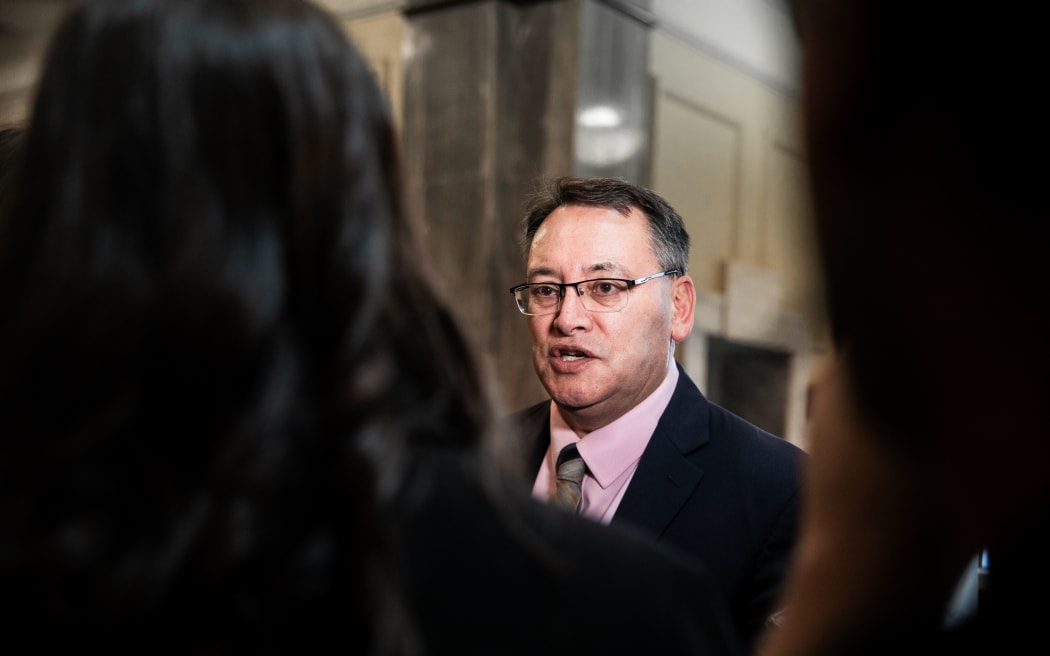
ℍ𝕖𝕒𝕝𝕥𝕙 𝕄𝕚𝕟𝕚𝕤𝕥𝕖𝕣 𝕊𝕙𝕒𝕟𝕖 ℂ𝕚𝕘𝕒-ℝ𝕖𝕥𝕚 𝕚𝕤 𝕚𝕟𝕔𝕣𝕖𝕒𝕤𝕚𝕟𝕘𝕝𝕪 𝕒𝕟𝕩𝕚𝕠𝕦𝕤 𝕒𝕓𝕠𝕦𝕥 𝕥𝕙𝕖 𝕡𝕠𝕤𝕤𝕚𝕓𝕚𝕝𝕚𝕥𝕪 𝕠𝕗 𝕒 𝕞𝕖𝕒𝕤𝕝𝕖𝕤 𝕠𝕦𝕥𝕓𝕣𝕖𝕒𝕜 𝕚𝕟 ℕ𝕖𝕨 ℤ𝕖𝕒𝕝𝕒𝕟𝕕, 𝕤𝕒𝕪𝕚𝕟𝕘 𝕥𝕙𝕖 𝕔𝕠𝕦𝕟𝕥𝕣𝕪 𝕨𝕒𝕤 𝕧𝕖𝕣𝕪 𝕝𝕦𝕔𝕜𝕪 𝕟𝕠𝕥 𝕥𝕠 𝕙𝕒𝕧𝕖 𝕕𝕖𝕒𝕥𝕙𝕤 𝕗𝕣𝕠𝕞 𝕥𝕙𝕖 𝕧𝕚𝕣𝕦𝕤 𝕚𝕟 𝟚𝟘𝟙𝟡.
Measles cases have been on the rise overseas, with cases in Europe up 45 timesin the past year and hundreds of cases in Britain since October.
Cases have also shown up in Australia, including one a fortnight ago who had contact with 15 people travelling to New Zealand, which clinicians said should be a "wake up call".
.

.
Measles is highly contagious, spreading much faster than Covid-19 - particularly among populations with low levels of immunity.
Otago University professor of epidemiology Michael Baker told RNZ a significant outbreak in New Zealand was almost certain to happen.
Dr Reti told Midday Report he, too, was worried.
"I'm concerned for all of the childhood infections, but measles particularly - with its huge infectivity propensity - has worried me for a while.
"I'm becoming increasing anxious as I look at the outbreaks in the UK and the US, and seeing experienced colleagues like Michael say he is certain that we'll have a measles outbreak this year."

New Zealand had been very lucky in the 2019 measles outbreak not to have a death, he said.
"But we did export it to Samoa and they had at least 80 people actually die. We need to remember that this is a condition that kills people. This is not a trivial condition.
"People - particularly the vulnerable, particularly the young - succumb to measles."
The latest Ministry of Health figures show 83 percent of two-year-olds are up to date with vaccinations, with the rate for tamariki Māori at just 73 percent.
Reti said immunisation had already been identified as one of the government's health targets, and it would be a high priority.
"Our herd immunity target is 95 percent so you can see the distance of where we need to be [to ensure] a degree of comfort around how we might be collectively protected in an outbreak.
Measles is highly contagious, spreading much faster than Covid-19 - particularly among populations with low levels of immunity.
Otago University professor of epidemiology Michael Baker told RNZ a significant outbreak in New Zealand was almost certain to happen.
Dr Reti told Midday Report he, too, was worried.
"I'm concerned for all of the childhood infections, but measles particularly - with its huge infectivity propensity - has worried me for a while.
"I'm becoming increasing anxious as I look at the outbreaks in the UK and the US, and seeing experienced colleagues like Michael say he is certain that we'll have a measles outbreak this year."
New Zealand had been very lucky in the 2019 measles outbreak not to have a death, he said.
"But we did export it to Samoa and they had at least 80 people actually die. We need to remember that this is a condition that kills people. This is not a trivial condition.
"People - particularly the vulnerable, particularly the young - succumb to measles."
The latest Ministry of Health figures show 83 percent of two-year-olds are up to date with vaccinations, with the rate for tamariki Māori at just 73 percent.
Reti said immunisation had already been identified as one of the government's health targets, and it would be a high priority.
"Our herd immunity target is 95 percent so you can see the distance of where we need to be [to ensure] a degree of comfort around how we might be collectively protected in an outbreak.
.

.
"Clearly those are areas of high risk. Māori, Pasifika are under-served, which again reflects the $50m project I announced in December."
That funding included a boost for Whānau Ora and its partners, aiming to increase vaccine coverage in remote, rural and other under-served communities like Māori and Pacific people.
Reti denied this was out of step with the new government's rhetoric on universal coverage that does not target people differently based on race.
"We will disestablish the Māori Health Authority, but we will focus on how we can better serve, better utilise Māori health providers without needing the framework that the Māori Health Authority had."
He said he had not been briefed on any proposals to bring in extra protections at the borders, but it was not part of their thinking at this time.


Comments
Post a Comment